Soccer coach
Ages: 4 to 16Where: Soccer school and local clubsSpanish: Helpful, not required
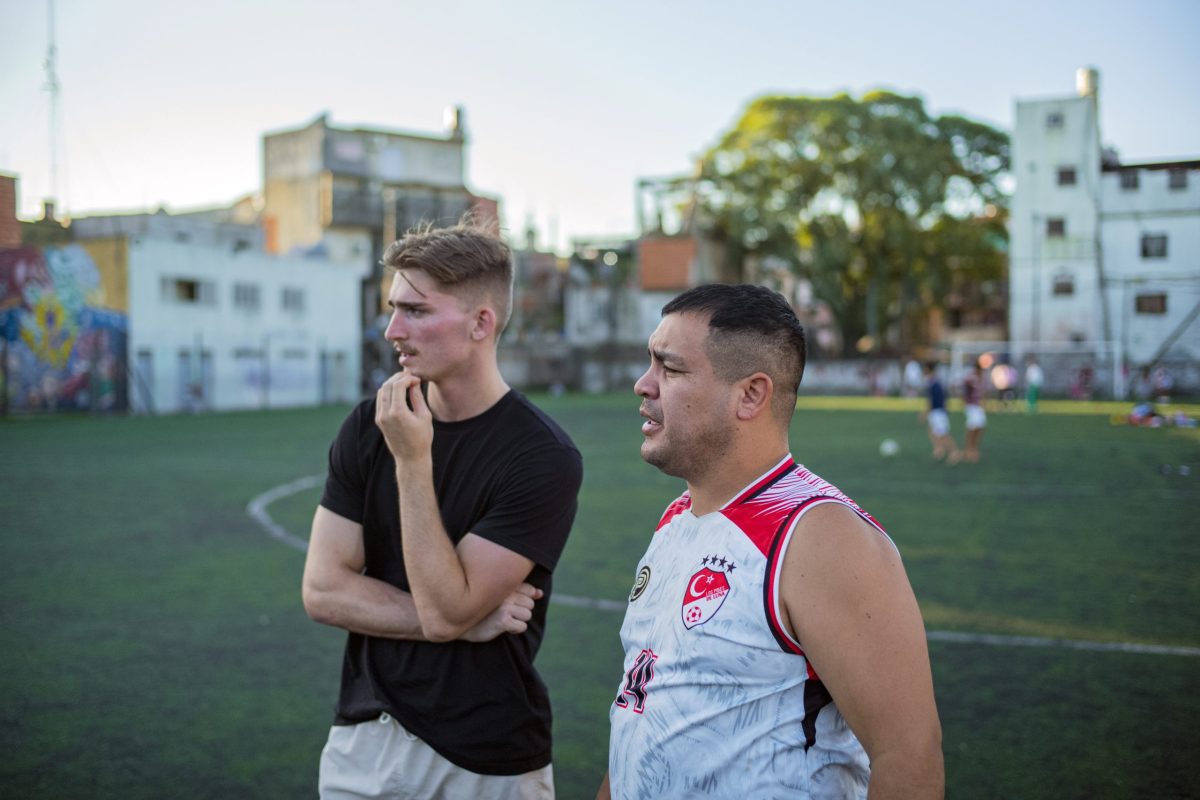
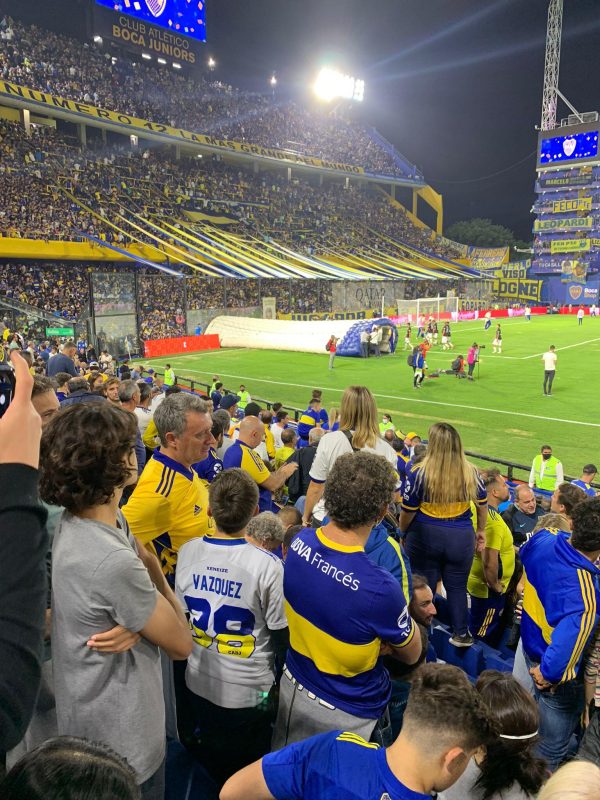
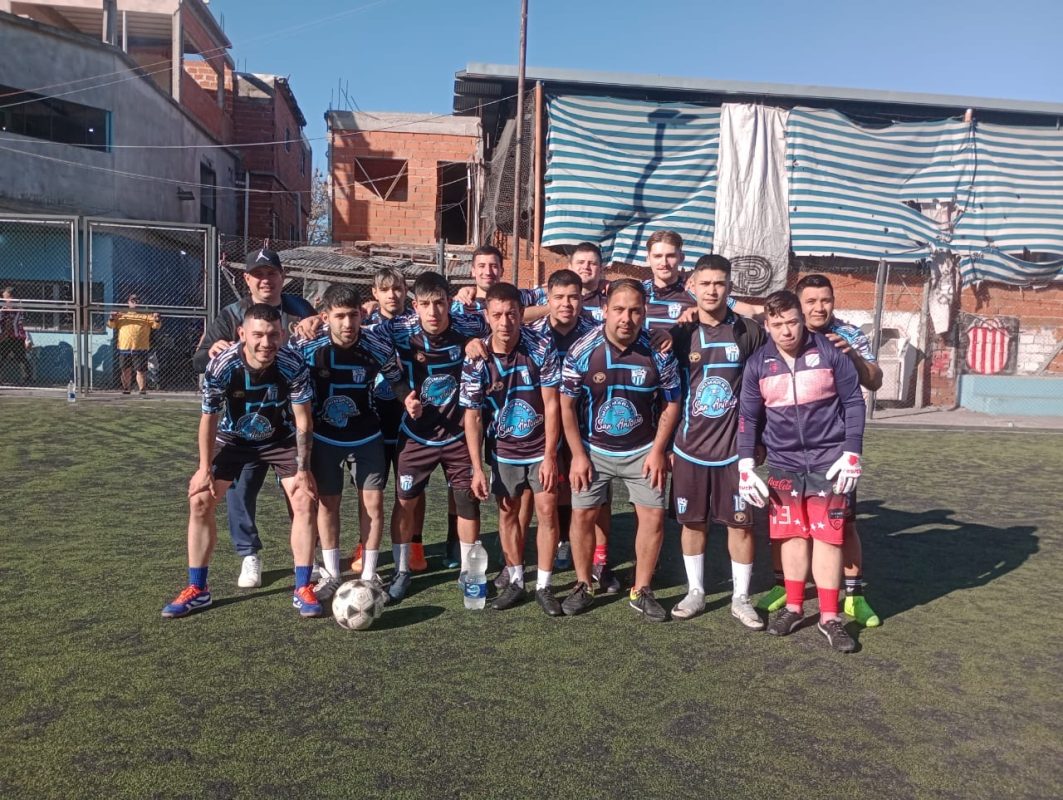
It will not surprise you that soccer is by far the most popular sport in Argentina. Nobody expects you to find the next Maradona, but you will quickly see that soccer is played on every field, in every street and in every alley. Coaching here means joining the street soccer culture that produced some of the best players in the world.
Our soccer project works with players between 4 and 16 years old from neighborhoods across Buenos Aires. Practices take place at a soccer school and at several local clubs. Coaches of every level are welcome; it helps if you play regularly, understand the game and know the rules. The focus is on the social development of the kids: an organized, safe place to play and grow.
What you will do
You assist the local coaches with new drills, lead parts of the practice yourself and teach tactics and team play. There is also an educational side: helping the kids with their English before or after practice.
In January, Buenos Aires runs city summer camps for players aged 16 to 25. You can coach there too, and play along, which is the fastest way to make Argentine friends.
Tennis coach
Ages: 8 to 12 and 13 to 18Where: City program and tennis clubs
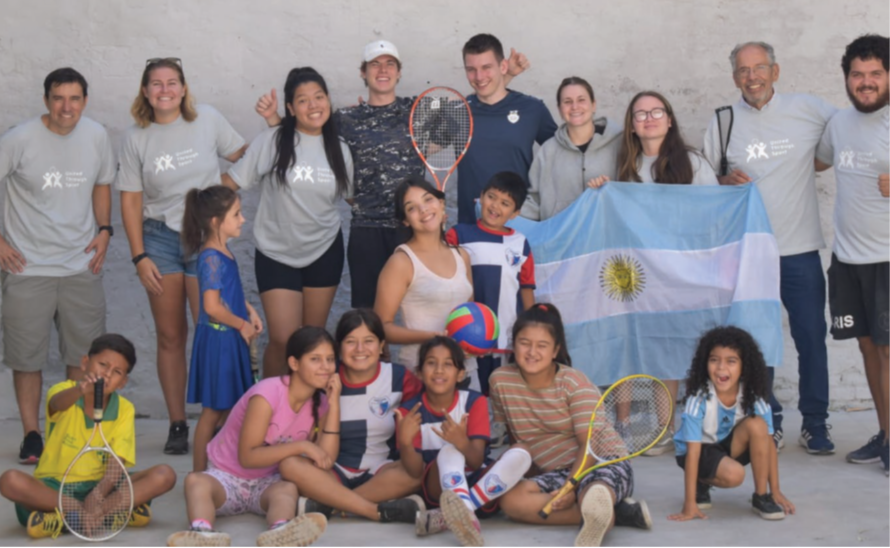
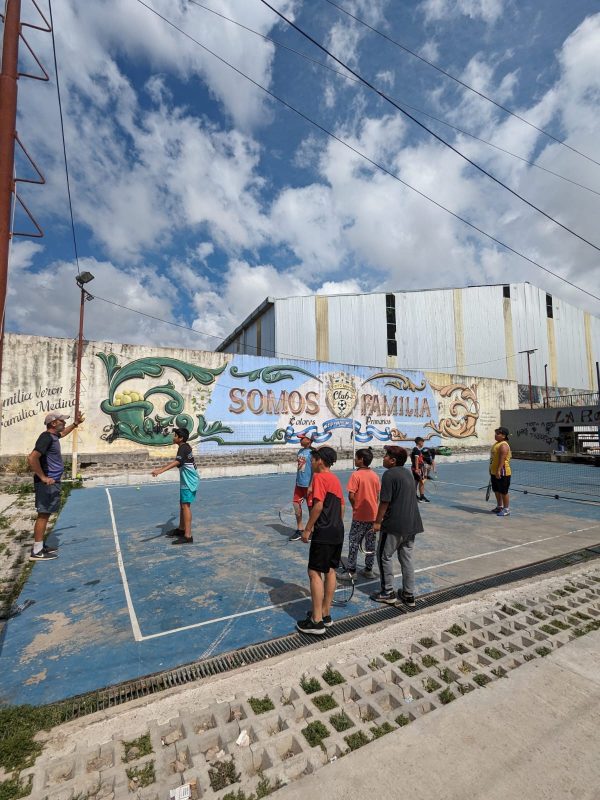
Our tennis project has two parts, aimed at different ages and levels. The first is a city-run program that introduces kids aged 8 to 12 to tennis. The city asked for international volunteers because it helps the kids learn English and gets them excited about the sport.
The second part coaches players aged 13 to 18 who want to compete at a higher level. These boys and girls have a real passion for tennis, and personal attention is what moves them forward. You prepare them for matches and maybe for the first steps of a promising career.
What you will do
You work alongside coaches hired by the city to organize practices for the kids, which is also a great way to improve your Spanish. The coaches will ask you to teach the kids some English during practice.
You also work one-on-one with players on their serve, backhand and movement on the court.
Rugby coach
Ages: 6 to 16Where: Public sports parks and a local rugby club
Rugby is the second most popular sport in Argentina, and after recent Rugby World Cup results it is firmly in the top three. It is mostly a middle-class sport, though: many kids never get to try it, because gear and clubs are out of reach. By joining this project you give more kids the chance to play and to be coached.
Your project has two sides. In the city-run sports parks, kids take part in free government programs that use rugby to get children active. You work with PE teachers who are grateful for the help. In the evenings you coach at a local rugby club, where the standard is higher, matches are played on weekends and junior games are on Saturday mornings.
You do not need a coaching qualification; some experience playing or coaching helps.
What you will do
In the sports parks you help the coaches set up drills and work on basic skills such as passing, kicking and running with the ball. At the club the focus shifts to tactical awareness, passing and team play, and you add a new dimension the players will appreciate quickly.
There is an educational side here too: homework sessions in English before practice.
Field hockey coach
Ages: 6 to 17Where: A local hockey foundation, plus hockey clubs
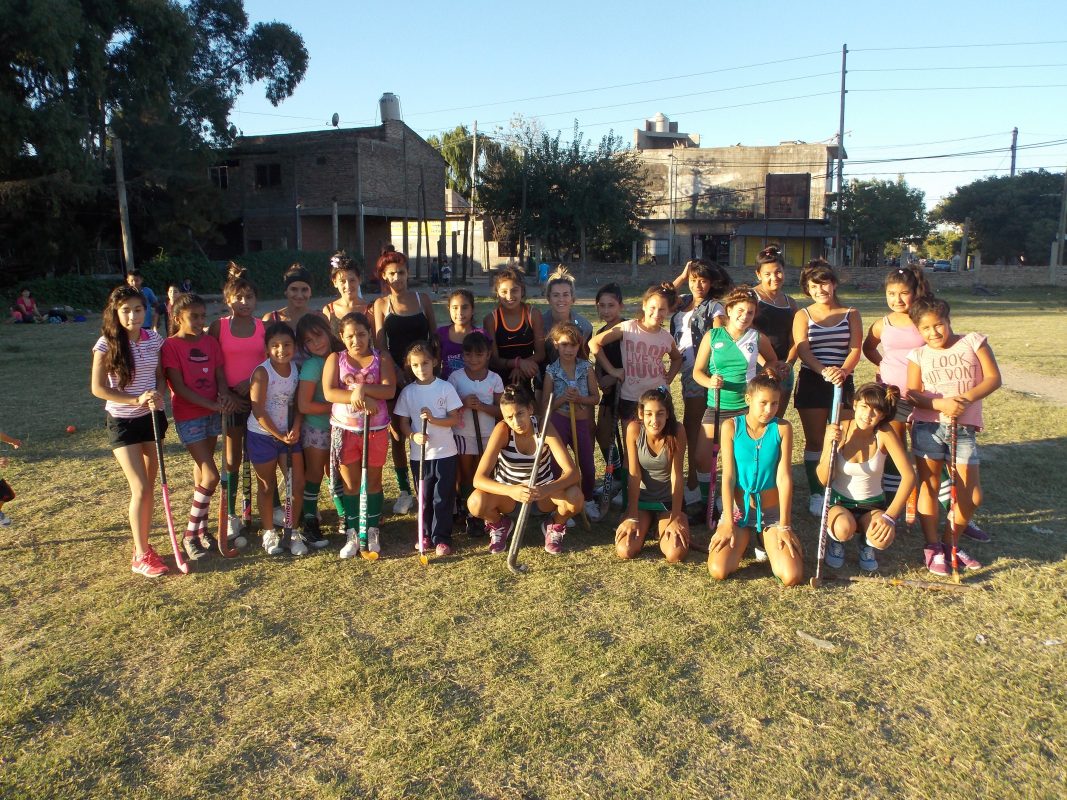
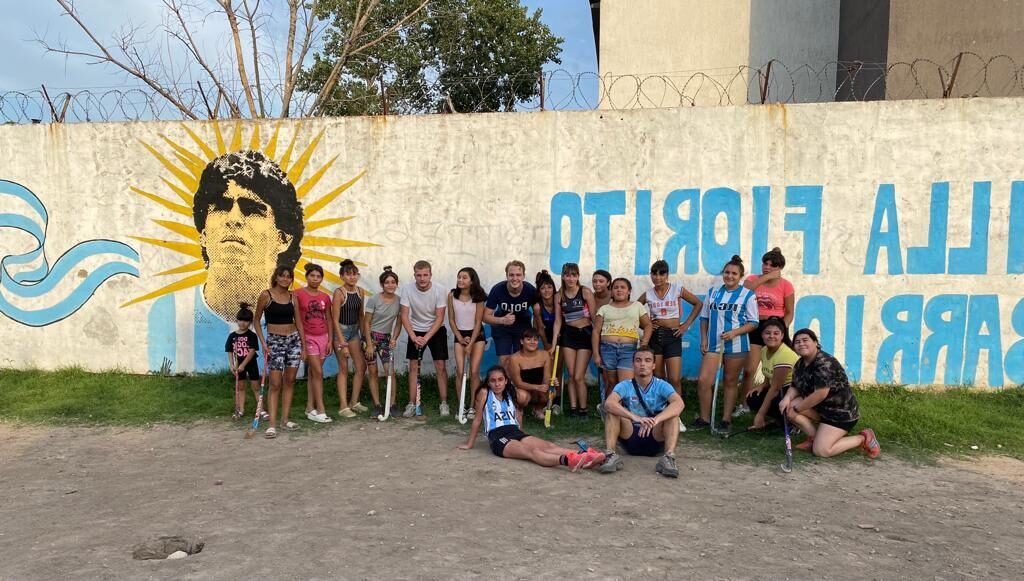
Field hockey is the most popular women’s sport in Argentina, and more and more boys are picking it up. The national women’s team ranks among the best in the world, which encourages kids to try hockey as an alternative to soccer and rugby. Despite that popularity, many schools and organizations cannot afford sticks and balls, and good coaches are hard to find, so many kids rarely get the chance to play.
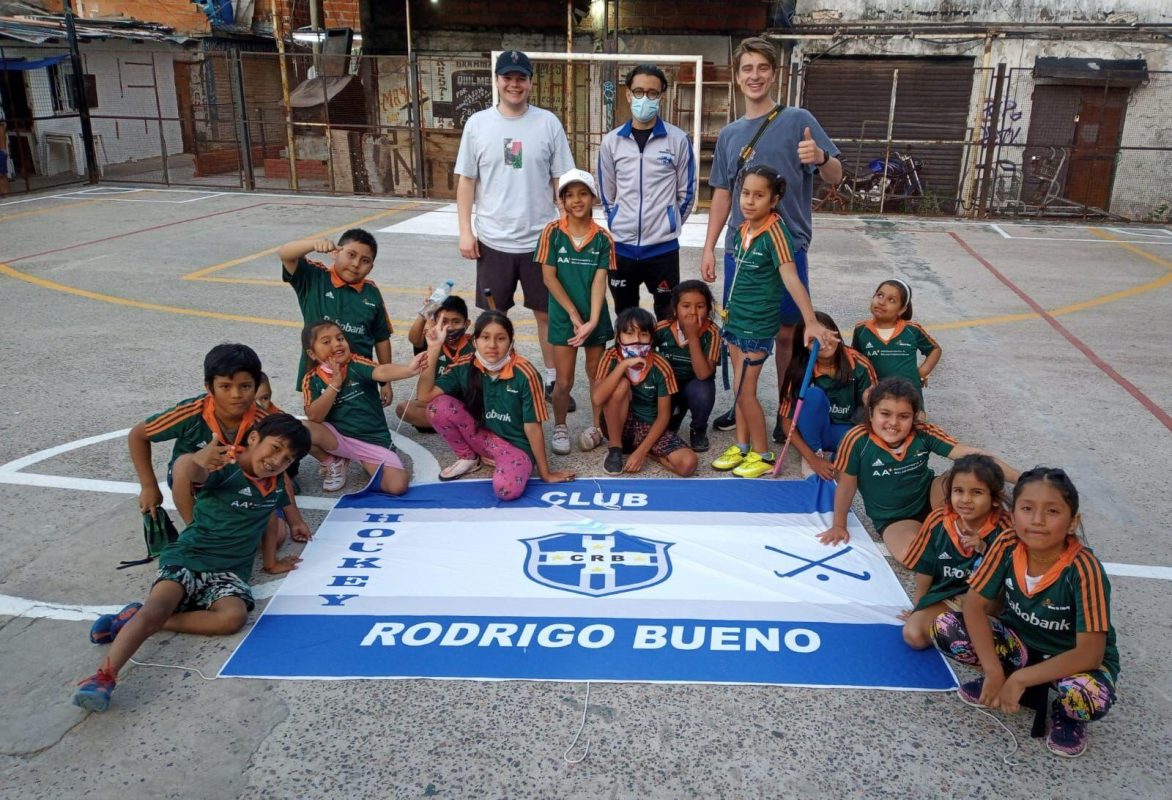
You coach at a foundation that uses hockey to help kids aged 6 to 17 grow in confidence and teamwork. Facilities are basic and you will mostly coach on grass. Because coaches are so hard to find, the kids will be thrilled to have you. The second part of your project takes place at established hockey clubs with proper facilities, where you run practices and structured games. Doing both, you will see the stark contrast between these two worlds.
No coaching qualification needed. Playing or coaching experience is a plus.
What you will do
You organize after-school hockey practices and introduce new drills around passing, positioning and possession, with plenty of competition and games to keep the kids motivated. Local staff coach you until you are ready to run practices on your own.
At the clubs your own ideas and drills are welcome. You can play at a local club yourself, which is great for your Spanish and your social life.